
The Early Seeds of Christianity in Iceland
In the heart of Iceland's rugged landscape, where volcanic mountains meet the northern seas, the roots of Christianity were planted in a unique blend of Norse tradition and emerging faith. The arrival of Christianity in Iceland dates back to around 1000 AD, during the Alþingi, the nation's first parliament, when the decision to adopt Christianity was made. Notably, Þorgeir Ljósvetningagoði, a chieftain and priest, played a crucial role in this transition, symbolizing a pivot from paganism to Christianity.
One historic site that embodies this moment in Icelandic church history is Þingvellir. It was at this majestic site, recognized as a UNESCO World Heritage site, that the decision to embrace Christianity was deliberated. Visitors today can reflect on this pivotal moment in Iceland's history while experiencing the stunning natural beauty that surrounds them. For those interested in visiting or learning more about this historical location, Sancta can help you find churches and services nearby.
The Development of Icelandic Church Heritage
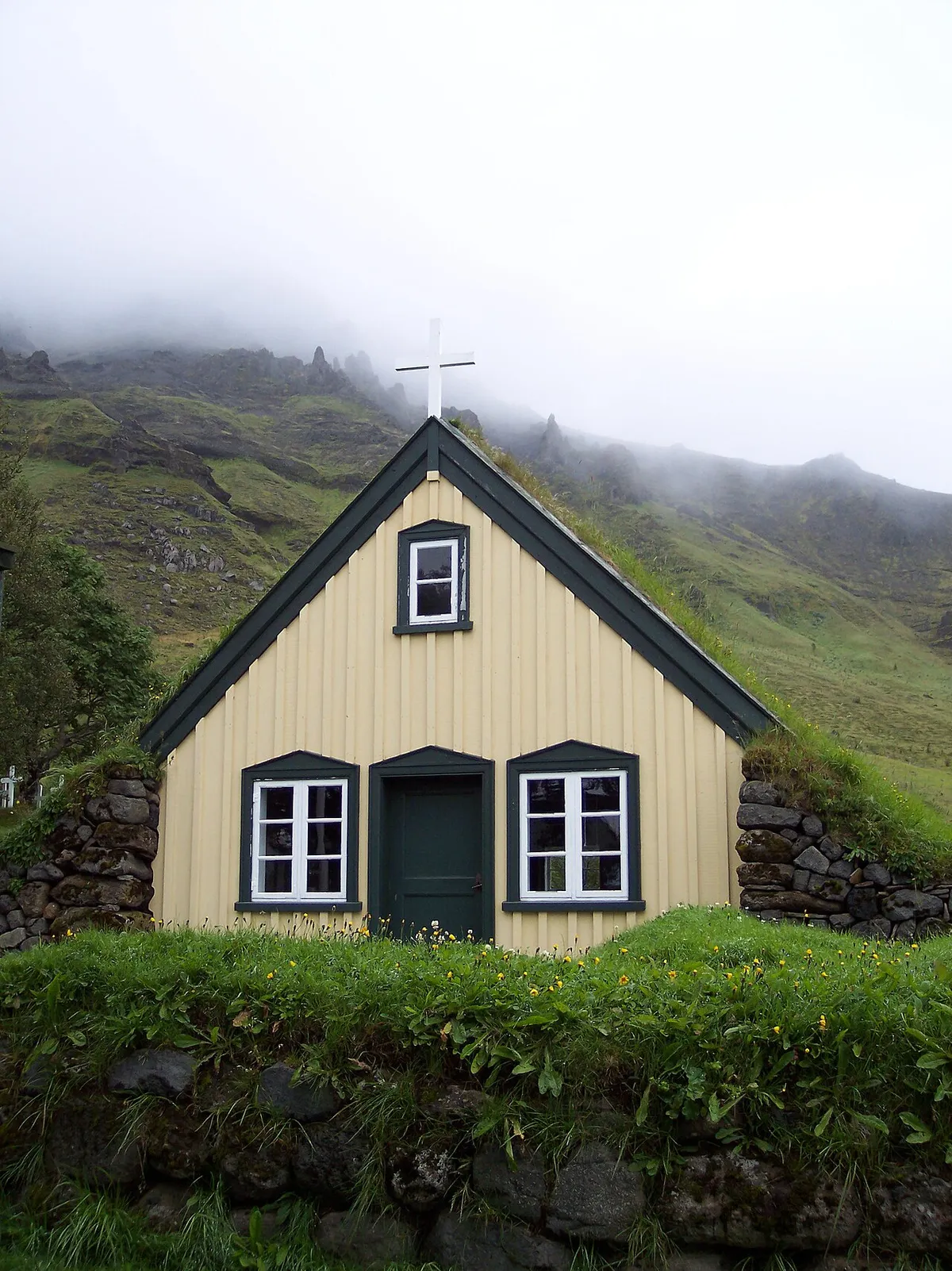
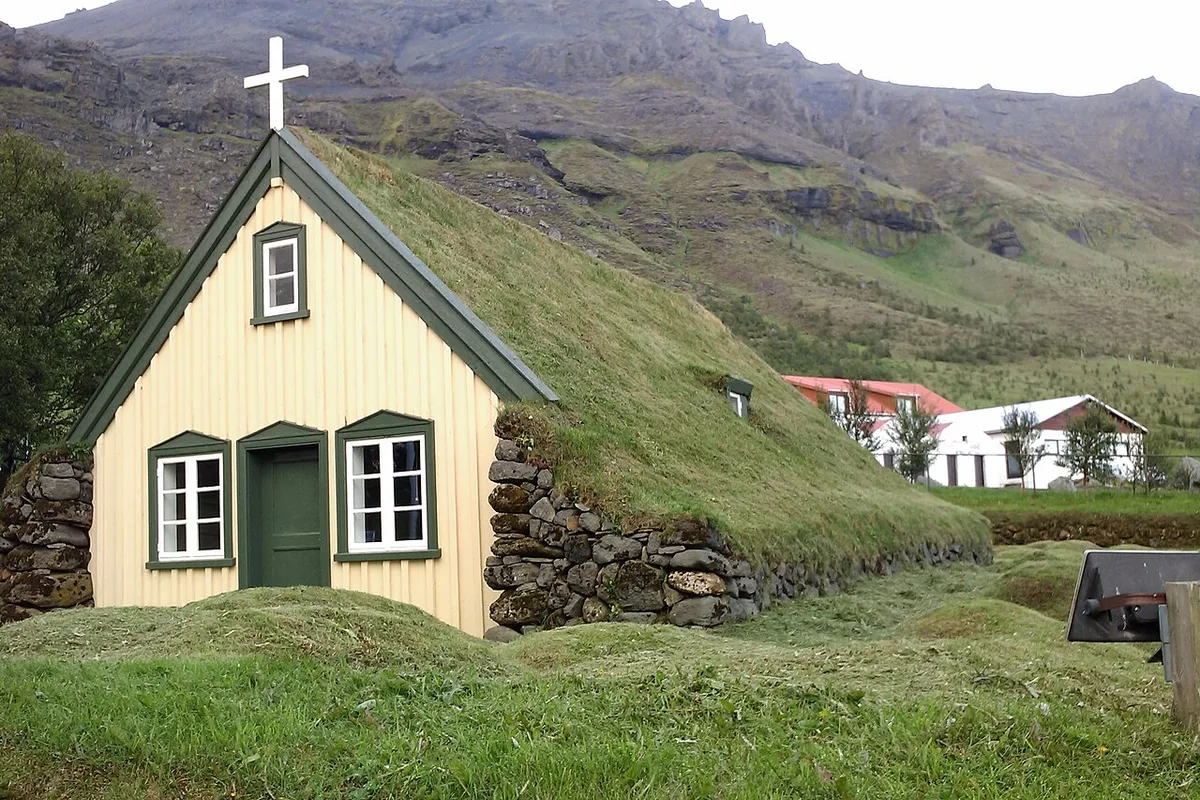
As Christianity took root, the establishment of churches began to shape Icelandic communities. The earliest churches were often simple wooden structures, which eventually evolved into more robust forms, incorporating stone and turf. One such example is Hofskirkja, located in the South-East region of Iceland, built in the late 19th century with traditional Icelandic turf architecture. It serves as a testament to the adaptation of Iceland's churches to their harsh environment, using local materials that reflect the very landscape of the country.
Hofskirkja not only stands as a place of worship but also maintains a sense of connection with the old Norse traditions, as it was built near an ancient pagan site. The church's design, featuring a green turf roof, harmonizes with its surroundings, reminding us of the deep interaction between Icelandic nature and spirituality.
Historical Churches That Tell Stories
Iceland boasts many historic churches that enrich its Christian narrative. For example, Skálholt, once the ecclesiastical center of Iceland, has been pivotal since the Christianization. It was not only a bishopric but also a cultural hub, nurturing leaders and thinkers. Today, Skálholtsdómkirkja stands as a focal point for religious life and hosts various services and events that draw the community together.
Similarly, Dómkirkjan í Reykjavík has played a significant role in the spiritual life of the capital. Established in 1787, this church has witnessed the transformation of Reykjavík from a small trading post to the capital city it is today. Its striking architecture and central location make it a gathering place for both locals and tourists, emphasizing the continuous evolution of Christianity in Iceland.
Modern Christian Life in Iceland
Today, Christianity remains a vital part of Icelandic culture. The Evangelical Lutheran Church of Iceland is the state church, with over two-thirds of the population being members. However, Iceland's religious landscape is diverse, featuring various congregations and denominations, including the Catholic and Adventist communities. Aðventistakirkjan, for instance, serves an active community that engages in various outreach programs and services.
The church life in Iceland is characterized by its inclusivity and adaptability. Many churches like Árbæjarkirkja incorporate modern practices that align with today's societal values, making worship accessible and relevant. This adaptability allows communities to gather in meaningful ways, whether for traditional services, youth activities, or community outreach initiatives.
Finding Your Place in the Community
For those interested in exploring the rich tapestry of Icelandic church life, whether as locals or travelers, Sancta provides a valuable resource to find churches near you. With details on service times, events, and community activities, users can connect with the spiritual life in diverse communities across the country.
Conclusion: A Living Heritage
Iceland's church history is not just a tale of the past; it is a living heritage that continues to shape the identity of its people. From the Viking-era decisions that led to the embrace of Christianity to the present-day church communities, each church tells a part of Iceland's story. Places like Hofskirkja, Skálholtsdómkirkja, and Dómkirkjan í Reykjavík stand as monuments to the enduring faith that thrives in this unique land. As you explore the rich Christian history of Iceland, let Sancta guide you to connect deeply with the heritage and communities that continue to celebrate faith in everyday life. Whether visiting historic sites or finding a local service, each experience enriches your understanding of Christianity in Iceland.
To learn more about service times and church events, don't hesitate to contact us. Exploring these rich traditions connects us to a broader community and history that continues to evolve today.